


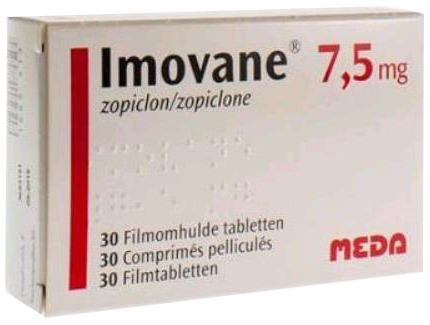
Zopiclone
Zopiclone is supplied by Lime Pharmacy following an online medical assessment. A valid prescription is required before dispensing.
| Drug Name: | Zopiclone / Zop |
| Dosage: | 7.5 mg / 10 mg |
| Packages: | 30 – 180 pills |
| Order Now: |
Zopiclone is a prescription-only medication widely used for the short-term treatment of insomnia and other sleep disorders. It belongs to a group of medicines known as non-benzodiazepine hypnotics, or cyclopyrrolone derivatives, commonly referred to as “Z-drugs.” Although chemically different from benzodiazepines, zopiclone acts on similar brain receptors to promote sleep.
This article provides an educational overview of zopiclone, covering how it works, approved medical uses, dosing guidance, potential side effects, safety precautions, interactions, dependence risks, and regulatory considerations.
What is Zopiclone?
Zopiclone is a short-term hypnotic medicine used to help people fall asleep and stay asleep. It was introduced in the 1980s as an alternative to traditional benzodiazepines, with the aim of reducing next-day sedation and lowering the risk of long-term dependence when used appropriately.
From a chemical standpoint, zopiclone belongs to the cyclopyrrolone class. It is typically supplied as immediate-release tablets in strengths such as 3.75 mg, 5 mg, or 7.5 mg. In many countries, including the UK, zopiclone is classified as a controlled prescription-only medicine because of its potential for misuse and dependence.
Mechanism of Action
Zopiclone works by enhancing the effects of gamma-aminobutyric acid (GABA), the main inhibitory neurotransmitter in the brain. It binds to the GABA-A receptor complex at a site similar to benzodiazepines, increasing the flow of chloride ions into nerve cells. This results in:
- Reduced neuronal excitability
- Central nervous system calming
- Sedative and hypnotic effects
Compared with traditional benzodiazepines, zopiclone has a relatively short half-life of around five hours, which helps limit residual sedation the following morning when taken correctly.
Medical Uses
Insomnia
The primary indication for zopiclone is the short-term management of insomnia. It may be prescribed for people experiencing:
- Difficulty falling asleep
- Difficulty staying asleep
- Frequent night-time awakenings
- Poor sleep quality affecting daily functioning
To reduce the risk of tolerance and dependence, treatment is generally limited to a maximum of two to four weeks.
Situational Sleep Disturbances
Zopiclone may also be used temporarily for short-lived sleep problems related to stress, travel, shift work, or significant life events. In these cases, it is typically used as a short bridging treatment while underlying causes are addressed.
Adjunct Use in Mental Health Conditions
In some cases, zopiclone may be prescribed short term for individuals with depression, anxiety, or other psychiatric conditions who are experiencing acute sleep disruption. It is used only as an adjunct and not as a primary treatment for these disorders.
Dosage and Administration
Typical dosing guidance
- Adults: 7.5 mg once daily, taken immediately before bedtime
- Older adults or individuals with liver or kidney impairment: 3.75 mg once daily
Administration advice
- Only take zopiclone when you can allow 7–8 hours of uninterrupted sleep
- Avoid alcohol before or after taking the medication
- Swallow tablets whole with water
- Use the lowest effective dose for the shortest possible duration
Zopiclone is intended for short-term use only. Prolonged or continuous use increases the risk of dependence, tolerance, and withdrawal symptoms.
Side Effects
Most people tolerate zopiclone well when used short term at recommended doses. Side effects are usually mild and temporary.
Common side effects
- Metallic or bitter taste
- Next-day drowsiness
- Dizziness or light-headedness
- Headache
- Nausea
Less common side effects
- Confusion or agitation
- Muscle weakness or unsteady movements
- Blurred vision
- Digestive upset
Rare but serious effects
- Allergic reactions
- Memory impairment
- Sleepwalking or unusual sleep-related behaviours
- Breathing difficulties when combined with other sedatives
Warnings and Precautions
Because zopiclone acts on the central nervous system, careful use under medical supervision is essential.
- Short-term use only: Long-term use increases dependence risk
- Older adults: Higher risk of falls, confusion, and prolonged sedation
- Pregnancy and breastfeeding: Generally not recommended
- Driving: Avoid driving or operating machinery if drowsy or impaired
- Mental health history: Use cautiously in people with depression or substance misuse history
Drug Interactions
Zopiclone can interact with other medicines that depress the central nervous system, increasing sedation and overdose risk.
Important interactions
- Alcohol
- Benzodiazepines
- Opioid painkillers
- Sedating antihistamines
- Certain antidepressants and antipsychotics
Zopiclone is metabolised by the CYP3A4 enzyme. Medicines that inhibit this enzyme may increase zopiclone levels, while enzyme inducers may reduce its effectiveness.
Dependence and Withdrawal
Although initially considered lower risk than benzodiazepines, zopiclone can cause both physical and psychological dependence when used for extended periods or at higher doses.
- Anxiety and irritability
- Rebound insomnia
- Sweating or tremors
- Rarely, seizures
To minimise withdrawal effects, healthcare providers usually recommend gradual dose reduction rather than abrupt discontinuation.
Legal and Regulatory Status
Zopiclone is a prescription-only medicine in most countries.
- UK: Controlled under the Misuse of Drugs Regulations
- USA: Not FDA-approved; eszopiclone is used instead
- EU: Prescription-only hypnotic medicine
Zopiclone vs Other Sleep Medications
| Drug | Class | Half-life | Notes |
|---|---|---|---|
| Zopiclone | Z-drug | 5 hrs | Effective for sleep onset and maintenance |
| Eszopiclone | Z-drug | 6 hrs | Active isomer of zopiclone |
| Zolpidem | Z-drug | 2–3 hrs | Shorter duration of action |
| Temazepam | Benzodiazepine | 8–10 hrs | Higher dependence risk |
Alternatives to Zopiclone
For long-term management of insomnia, non-drug approaches are often recommended:
- Cognitive behavioural therapy for insomnia (CBT-I)
- Improved sleep hygiene
- Relaxation and stress management
- Regular physical activity
Conclusion
Zopiclone can be an effective short-term option for managing severe insomnia when used according to medical guidance. However, its potential for side effects, dependence, and withdrawal means it should be prescribed cautiously and reviewed regularly.
For ongoing sleep problems, combining short-term medication use with behavioural and lifestyle-based treatments offers a safer and more sustainable approach.
Zopiclone FAQs
What is zopiclone used for?
Zopiclone is used for the short-term treatment of insomnia, helping people fall asleep faster and reduce night-time awakenings.
Is zopiclone addictive?
Zopiclone can be habit-forming if used for longer than recommended or at higher doses. Medical supervision is important.
How long should zopiclone be used?
Most guidelines recommend limiting use to two to four weeks to reduce dependence and withdrawal risks.
Is zopiclone available over the counter?
No. Zopiclone is a prescription-only medicine due to its safety profile and misuse potential.
How quickly does zopiclone start working?
Zopiclone usually starts to take effect within 30 to 60 minutes after ingestion. It should be taken immediately before going to bed, once you are ready to sleep.
How long do the effects of zopiclone last?
The sedative effects typically last between 6 and 8 hours. Zopiclone has a half-life of around 5 hours, which helps reduce next-day drowsiness when taken at the correct dose.
Is zopiclone safe for older adults?
Zopiclone can be prescribed to older adults, but at lower doses, usually 3.75 mg. Older people are more sensitive to sedative effects and have a higher risk of falls, confusion, and prolonged sedation.
What happens if zopiclone is taken for longer than recommended?
Using zopiclone beyond the recommended duration increases the risk of tolerance, dependence, and withdrawal symptoms. Long-term use may also reduce its effectiveness for sleep.
Is zopiclone suitable for long-term insomnia?
No. Zopiclone is intended only for short-term use. For long-term or chronic insomnia, non-drug treatments such as cognitive behavioural therapy for insomnia (CBT-I) are generally recommended.
Can zopiclone be combined with other sleep aids?
Combining zopiclone with other sedatives, sleep aids, or alcohol is not recommended, as this can significantly increase the risk of excessive sedation, breathing problems, and overdose.
Disclaimer | Privacy Policy
Copyright © www.thepharmacycentre.com, www.medicinechest.co.uk and limepharmacy.co.uk
Pharmacy websites with free domain name, hosting and back up by The Pharmacy Centre
Providing web development for Pharmacy

