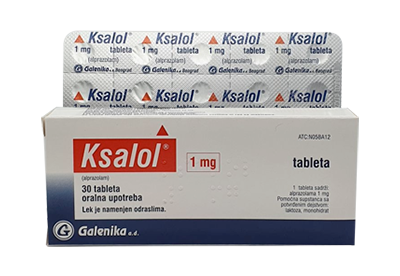


Alprazolam is a prescription medicine that belongs to the benzodiazepine group of medications. In the UK, authorised alprazolam products are indicated for the short-term symptomatic treatment of severe anxiety in adults when the condition is disabling or causes extreme distress.
Alprazolam has calming and sedative effects on the central nervous system. Because benzodiazepines can cause drowsiness, impaired coordination, tolerance, dependence and withdrawal symptoms, treatment requires careful clinical assessment and should normally be kept as short as possible.
People looking for Alprazolam tablets or Alprazolam online in the UK should understand that it is a Prescription Only Medicine (POM) and a controlled drug.
Important: Alprazolam should only be taken when clinically appropriate and exactly as directed by the healthcare professional responsible for prescribing it.
What Is Alprazolam?
Alprazolam is the active ingredient in the branded medicine Xanax. It belongs to a group of medicines called benzodiazepines, which act on chemical signalling in the brain and central nervous system.
In the UK, authorised Xanax tablets containing alprazolam are indicated for the short-term symptomatic treatment of anxiety in adults when the disorder is severe, disabling or causing extreme distress.
Alprazolam is not intended to provide a routine long-term solution for everyday worry or stress. Current UK product information recommends using the lowest effective dose for the shortest possible period.
This distinction is important because repeated benzodiazepine use can lead to tolerance, physical dependence, addiction and withdrawal symptoms.
Alprazolam Strengths Available in the UK
Current UK electronic medicines Compendium listings include authorised Xanax tablets containing 250 micrograms (0.25 mg) and 500 micrograms (0.5 mg) of alprazolam.
Other strengths of alprazolam may be available internationally, but patients should not assume that doses sold in other countries have the same UK marketing-authorisation status.
The appropriate dose is determined individually according to factors such as symptoms, response to treatment, age and existing medical conditions.
Patients should always check the strength stated on their dispensing label and medicine packaging. A dose should never be increased simply because the existing treatment appears to have become less effective, as this change may indicate developing tolerance.
What Is Alprazolam Used For?
The UK-authorised indication for Xanax is the short-term symptomatic treatment of anxiety in adults. It should only be used where the anxiety disorder is severe, disabling or causing extreme distress.
Anxiety can involve persistent worry, nervousness, tension and physical symptoms, but experiencing anxiety does not automatically mean that treatment with a benzodiazepine is appropriate.
NICE advises that benzodiazepines should not routinely be offered for generalised anxiety disorder except as a short-term measure during crises.
The cause, severity and duration of symptoms therefore need to be assessed by an appropriate healthcare professional before alprazolam is considered.
How Does Alprazolam Work?
Alprazolam acts primarily by enhancing the activity of gamma-aminobutyric acid, commonly known as GABA.
GABA is an inhibitory neurotransmitter. In simple terms, it helps reduce excessive communication between nerve cells and has a calming effect on the central nervous system.
Alprazolam binds to benzodiazepine sites associated with GABA-A receptors. This strengthens GABA’s inhibitory activity and reduces excessive nervous-system excitation.
These actions are responsible for alprazolam’s anxiolytic, or anxiety-reducing, effects as well as effects such as sedation and muscle relaxation.
Following oral administration, peak concentrations of alprazolam are generally reached within approximately one to two hours.
How Should Alprazolam Be Taken?
Alprazolam tablets are taken by mouth according to the instructions provided by the prescriber and dispensing pharmacy.
The appropriate dose varies between patients. UK product information emphasises using the lowest effective dose and frequently reassessing treatment.
Patients should not take extra tablets, increase their dose independently or take another person’s alprazolam. Feeling that a previously effective dose is becoming less effective can potentially indicate tolerance and should be discussed with the prescriber rather than managed by increasing the dose.
Taking too much alprazolam can cause significant central nervous system depression. The risk becomes particularly serious when benzodiazepines are combined with alcohol, opioids or other sedative substances. Suspected overdose requires urgent medical attention.
How Long Is Alprazolam Normally Used?
Alprazolam is intended for short-term treatment. Current UK product information recommends using it for the shortest possible period and for a maximum of two to four weeks.
The need for treatment should be reviewed frequently, and long-term treatment is not recommended.
Consideration should be given to a plan for eventual discontinuance of therapy. Abrupt discontinuation of alprazolam may precipitate withdrawal symptoms in patients who have developed physical dependence on the drug. Depending on the individual circumstances, a healthcare professional may recommend gradual dose reduction instead of abrupt discontinuation.
Side Effects of Alprazolam
Like all medicines, Alprazolam tablets can cause side effects, although their occurrence and severity vary between individuals.
Recognised effects include:
- Drowsiness or sedation
- Dizziness
- Headache
- Fatigue
- Memory impairment
- Problems with coordination or balance
- Difficulty concentrating
- Dry mouth
- Constipation
- Nausea
- Blurred vision
Some people might become confused, disoriented, have changes in mood or unusual behavior reactions. Benzodiazepines can sometimes paradoxically cause the person to react in a way that is different from the expected calming effect. Symptoms may include agitation, irritability, aggression, nightmares or hallucinations. Severe allergic reactions and significant respiratory depression need immediate medical attention. Benzodiazepines can cause sedation and muscle weakness, which can be more pronounced in older patients and lead to falls.
Patients should consult the Patient Information Leaflet supplied with their particular medicine for comprehensive safety information.
Alprazolam, Alcohol, Driving and Drowsiness
Alcohol should be avoided while taking alprazolam because it can increase its central nervous system depressant effects.
Alprazolam may cause sedation, memory impairment, reduced concentration and impaired muscle coordination. These effects can interfere with driving and the safe operation of machinery.
Patients should not drive until they know how the medicine affects them and must not drive when their ability to do so safely is impaired.
Taking alprazolam with other sedating substances can further increase these risks.
Medicines That May Interact With Alprazolam
Alprazolam can interact with several medicines and substances. Combining it with other central nervous system depressants can substantially increase sedation.
Important examples include:
- Opioid pain medicines
- Other sleeping or anxiety medicines
- Antipsychotics
- Certain antidepressants
- Antiepileptic medicines
- Sedating antihistamines
- Anaesthetics
- Certain antifungal medicines
- Some macrolide antibiotics
Combining alprazolam with opioids is particularly important because the combination can increase the risks of severe sedation, respiratory depression, coma and death.
Alprazolam is metabolised mainly through the CYP3A4 enzyme system, so medicines that inhibit or induce this enzyme can alter alprazolam’s exposure.
Patients should tell their healthcare professional about all prescription medicines, non-prescription products and supplements they use.
Who Should Not Take Alprazolam?
Alprazolam is not suitable for everyone.
UK product information lists contraindications including severe respiratory insufficiency, severe liver impairment, sleep apnoea syndrome and myasthenia gravis. It should also not be taken by anyone with a known hypersensitivity to alprazolam, other benzodiazepines or relevant ingredients in the particular tablet.
Additional caution may be required for people with:
- Kidney problems
- Mild or moderate liver impairment
- Chronic breathing problems
- Depression
- A history of alcohol or drug misuse
- Increased susceptibility to falls
Alprazolam is not recommended during breastfeeding and requires careful assessment during pregnancy.
Its safety and effectiveness have not been established for children and adolescents under 18.
Dependence, Tolerance and Withdrawal
Alprazolam can cause tolerance, physical dependence and addiction, including when used at therapeutic doses.
Tolerance means the medicine’s effects may become reduced after repeated use. Physical dependence means the body adapts to the medicine, and withdrawal symptoms can occur when treatment is reduced or stopped. Addiction involves additional behavioural and psychological features, including difficulty controlling medicine use.
Withdrawal can include anxiety, insomnia, irritability, restlessness, headache and muscle pain. Severe withdrawal can include hallucinations or seizures.
Patients should therefore never abruptly stop regular alprazolam treatment without appropriate professional advice.
Buy Alprazolam Online in the UK
People searching for terms such as ‘buy Alprazolam online UK‘, ‘Alprazolam tablets UK‘ or ‘purchase Alprazolam online’ should understand the medicine’s legal and clinical status.
Alprazolam is a prescription-only medicine and is also a controlled drug in the UK. It is classified as a Class C drug under the Misuse of Drugs Act and Schedule 4 Part 1 under the Misuse of Drugs Regulations.
This means online availability does not remove the need for appropriate prescribing and pharmacy safeguards.
Patients should be particularly cautious about websites, social-media sellers or messaging services offering benzodiazepines without appropriate clinical checks. Medicines obtained through unverified sources may be counterfeit, incorrectly labelled, contaminated or contain a different dose or substance from the one advertised.
Can Alprazolam Be Bought Over the Counter?
No. Alprazolam is a Prescription Only Medicine (POM) in the UK and cannot legitimately be treated as an ordinary over-the-counter anxiety treatment.
An appropriate healthcare professional needs to determine whether alprazolam is suitable before it is prescribed.
This requirement is particularly important with benzodiazepines because of their effects on alertness and coordination and their potential for tolerance, dependence, misuse and withdrawal.
Buying Alprazolam Safely Online
Patients obtaining prescription medicines online should use properly regulated healthcare and pharmacy services.
For pharmacies operating in Great Britain, patients can check the pharmacy’s registration details through the General Pharmaceutical Council (GPhC). Different regulatory arrangements apply in Northern Ireland through the Pharmaceutical Society of Northern Ireland.
Be cautious when a seller provides little information about who is prescribing or dispensing the medicine, offers controlled medicines without appropriate assessment, or primarily sells through social-media accounts or messaging applications.
A genuine-looking website alone does not establish that a medicine source is appropriate.
How to Store Alprazolam
Follow the storage instructions on the packaging and patient information leaflet supplied with the particular Alprazolam tablets.
Keep the medicine in its appropriate packaging and somewhere secure, out of the sight and reach of children. Controlled medicines should never be shared with another person.
Verify the expiry date before taking tablets. Unwanted or expired medicines should be disposed of appropriately; a pharmacist can advise on safe medicine disposal.
Important Safety Information
Alprazolam should only be used according to the directions provided by the prescribing healthcare professional. Never share it with another person or independently increase the prescribed dose.
Patients should read the Patient Information Leaflet accompanying their particular medicine and discuss side effects, interactions, pregnancy, dependence concerns or difficulties stopping treatment with an appropriate healthcare professional.
This page provides general educational information and does not replace personalised advice, diagnosis or treatment from a doctor, pharmacist or other qualified healthcare professional.