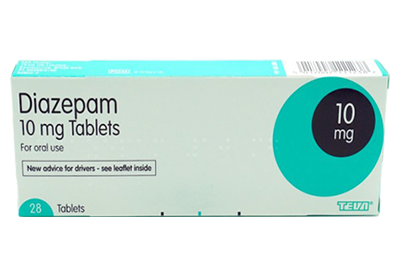


Diazepam is a prescription medicine belonging to a group of medicines called benzodiazepines. It may be prescribed for severe anxiety, muscle spasms and seizures and can also be used as a sedative before certain medical procedures.
Diazepam (Valium) works by increasing the calming effects of a chemical messenger in the brain called gamma-aminobutyric acid (GABA). This reduces excessive activity within the central nervous system.
People researching Diazepam tablets, including Diazepam 2mg, 5mg and 10mg, should understand that the appropriate strength, dose and duration depend on the reason for treatment and individual circumstances.
Important: Diazepam is a prescription-only controlled medicine in the UK. Take it only when prescribed specifically for you and never increase your dose without professional advice.
What Is Diazepam?
Diazepam is a benzodiazepine medicine with calming, muscle-relaxing and anticonvulsant properties. It has several medical uses because of its ability to reduce excessive activity within the brain and nervous system.
For anxiety, diazepam may be considered for short-term treatment when symptoms are severe or significantly affecting everyday life. It can also relax muscle spasms and help control certain types of seizures.
Diazepam is generally intended for short-term treatment because regular or prolonged use can result in tolerance, dependence and withdrawal symptoms.
What Is Diazepam Used For?
Diazepam can be prescribed for several conditions. One of its recognised uses is the short-term treatment of severe anxiety, particularly when symptoms are disabling or causing significant distress.
Other uses can include:
- Muscle spasms
- Certain seizures or fits
- Symptoms associated with alcohol withdrawal
- Sedation before some medical or dental procedures
The way diazepam is prescribed depends on its intended use. Someone receiving diazepam for muscle spasms may therefore receive different instructions than someone being treated for severe anxiety.
A healthcare professional should determine whether diazepam is appropriate after considering the symptoms, medical history and other medicines being taken.
Diazepam 2mg, 5mg and 10mg Tablets
Diazepam tablets are available in several strengths, including 2mg, 5mg and 10mg.
The healthcare professional will choose the appropriate strength. For example, a Diazepam 10mg tablet is not necessarily more appropriate just because it contains a higher dose of the active ingredient.
Prescribers generally consider the reason for treatment, age, individual response, other medicines and relevant medical conditions.
Always check the strength stated on your prescription and dispensing label. Never change from Diazepam 2mg or 5mg to 10mg, take additional tablets or alter your treatment schedule without medical advice.
How Does Diazepam Work?
Diazepam enhances the effects of GABA, an inhibitory neurotransmitter naturally present in the brain.
GABA prevents too much activity of nerve cells. Diazepam enhances this calming effect, which can help to reduce severe anxiety, relax muscles and control certain types of seizures.
The same effects that make diazepam useful can also cause sleepiness, reduced alertness and impaired coordination. This is why patients should follow their prescribed dose carefully.
Because diazepam and its active metabolites may persist in the body for a long time, some effects may continue after the immediate therapeutic effect is less obvious.
How Should Diazepam Be Taken?
Take diazepam exactly as prescribed by your doctor or other qualified healthcare professional. Diazepam tablets are swallowed with water and can generally be taken with or without food.
How often the medicine is taken depends on the condition being treated and the prescribed dose.
Do not take an additional Diazepam 2mg, 5mg or 10mg tablet because you feel the medicine has not worked sufficiently. Taking more than prescribed can cause excessive sedation and other serious adverse effects.
If you experience symptoms that are not well controlled, speak to your healthcare professional before making a change to your dose.
How Long Is Diazepam Usually Taken For?
Diazepam is usually only prescribed for short periods. Benzodiazepine treatment for anxiety is generally intended to be short-term, often no more than a few weeks or so.
Tolerance and dependence may develop with prolonged use. Tolerance is when the body gets used to the medicine and the effects may not seem as strong.
The appropriate treatment duration depends on individual circumstances. Never continue diazepam for longer than recommended simply because tablets remain from an earlier prescription.
If you have taken diazepam regularly, seek professional advice before stopping treatment.
Diazepam Side Effects
Like all medicines, diazepam can cause side effects, although not everybody experiences them.
Possible side effects include:
- Sleepiness or drowsiness
- Tiredness
- Reduced alertness
- Dizziness
- Muscle weakness
- Problems with coordination
- Confusion
- Difficulty concentrating
Some effects are more likely to occur when treatment begins and may become less noticeable with continued use.
Serious reactions can also occur. Seek urgent medical advice if you develop severe breathing difficulties, significant loss of consciousness, a serious allergic reaction or other severe or unexpected symptoms.
Older people may be particularly susceptible to confusion, impaired coordination and falls.
Diazepam and Drowsiness
Drowsiness is one of the most important effects to consider when taking diazepam. The medicine can reduce alertness, concentration and coordination.
Do not drive, cycle, operate machinery or perform potentially dangerous activities if diazepam makes you sleepy, dizzy or otherwise impaired.
The effects on alertness can sometimes persist into the next day. Patients should understand how the medicine affects them before driving.
Taking diazepam according to a prescription does not automatically mean someone is safe to drive. Your ability to drive safely must not be impaired.
Diazepam and Alcohol
Alcohol should be avoided while taking diazepam. Both substances depress central nervous system activity, and their combination can significantly increase sedation.
This can lead to extreme sleepiness, impaired coordination and potentially dangerous breathing problems.
Other medicines and substances with sedative effects can produce similar risks when combined with diazepam.
Do not deliberately combine diazepam with alcohol or other sedatives to increase its calming or sleep-inducing effects.
Medicines That May Interact With Diazepam
Diazepam can interact with several medicines. Before starting treatment, tell your healthcare professional about prescription medicines, over-the-counter treatments, supplements and herbal remedies you use.
Particular caution may be necessary with:
- Opioid painkillers
- Sleeping medicines
- Other medicines for anxiety
- Sedating antihistamines
- Antidepressants
- Antipsychotic medicines
- Some medicines used for epilepsy
Combining diazepam with opioids or other central nervous system depressants can increase sedation and the risk of serious breathing problems.
Do not stop another prescribed medicine because you are concerned about an interaction. Ask your doctor or pharmacist for advice.
Who May Not Be Suitable for Diazepam?
Diazepam is not appropriate for everyone. A healthcare professional should review your medical history before prescribing it.
Particular caution or an alternative treatment may be required for people with severe breathing problems, sleep apnoea, myasthenia gravis or significant liver disease.
Tell your prescriber if you have previously experienced problems involving alcohol, recreational drugs or prescription medicine dependence.
Pregnancy, plans to become pregnant and breastfeeding should be discussed with a healthcare professional before taking diazepam.
Older people may require additional consideration because benzodiazepines can increase drowsiness, confusion and the risk of falls.
Diazepam Dependence and Tolerance
Diazepam can cause physical and psychological dependence. The risk generally increases with higher doses and longer treatment, although dependence can also occur when benzodiazepines are taken at therapeutic doses.
Tolerance may develop with repeated use. Patients may feel that their usual dose is producing less effect than previously.
Do not respond by increasing the dose yourself or taking additional 5mg or 10mg Diazepam tablets. Speak to your healthcare professional if you feel your treatment has become less effective.
Keeping treatment as short as clinically appropriate helps reduce the risk of tolerance and dependence.
Diazepam Withdrawal
Stopping diazepam suddenly after regular use can cause withdrawal symptoms.
Possible symptoms include:
- Anxiety
- Restlessness
- Irritability
- Headaches
- Muscle pain
- Sweating
- Sleep disturbances
- Confusion
More severe withdrawal reactions, including seizures, can occur in some circumstances.
If you have been taking diazepam regularly and you want to stop taking the medicine, your healthcare professional may recommend that you gradually reduce the dose. If you have been taking diazepam regularly or for a long time, do not stop taking it abruptly.
Is Diazepam a Controlled Drug?
Yes. In the UK, Diazepam is a controlled substance. It is a Class C drug and a Schedule 4 Part 1 controlled drug.
Its controlled status reflects the risks of misuse, dependence and diversion, but also permits the medicine to be prescribed for legitimate medical purposes.
Only use diazepam that has been prescribed specifically for you. Never share, sell or give your tablets to another person.
Obtaining Diazepam in the UK
Diazepam is a prescription-only medicine in the UK. It should be supplied following an appropriate prescribing and dispensing process.
A clinical assessment allows a healthcare professional to consider why diazepam is required, whether it is suitable and which strength should be prescribed.
Avoid obtaining diazepam from social-media sellers, messaging applications or websites where the identity and credentials of the supplier cannot be verified.
Can You Get Diazepam Without a Prescription?
Diazepam cannot legally be supplied as an ordinary over-the-counter medicine in the UK. A prescription is required.
Websites advertising Diazepam 5mg or Diazepam 10mg without a prescription or encouraging people to bypass an appropriate medical assessment should be treated with caution.
Medicines obtained from unauthorised sources may be counterfeit, incorrectly labelled or contain unexpected ingredients or strengths.
Obtaining Diazepam Online Safely
Patients using an online pharmacy should check that the service is legitimate and appropriately registered.
Pharmacies operating in Great Britain can be checked through the General Pharmaceutical Council (GPhC). Appropriate prescribing safeguards should also be in place before prescription-only medicines are supplied.
Choose your supplier for their quality and reputation, not because they offer the cheapest diazepam tablets or make delivery promises they have not properly considered.
If you need an online consultation, provide detailed information about your symptoms, medical history and current medications.
Storage and Disposal
Store diazepam tablets according to the instructions supplied with your medicine and keep them in their original packaging where appropriate.
Keep diazepam securely out of the sight and reach of children and somewhere other people cannot accidentally or deliberately access it.
Never share your prescribed tablets. Unused or expired diazepam should normally be returned to a pharmacy for safe disposal.
Important Safety Information
Diazepam should only be taken when prescribed specifically for you by an appropriately qualified healthcare professional. Never exceed your prescribed dose, change between Diazepam 2mg, 5mg and 10mg yourself or share your medicine.
Diazepam can cause significant drowsiness and carries risks of tolerance, dependence and withdrawal. Combining it with alcohol, opioids or other central nervous system depressants can increase the risk of serious adverse effects.
Seek urgent medical attention if severe breathing difficulties, loss of consciousness, a serious allergic reaction or other severe symptoms occur.
This information is for general educational purposes and does not replace advice from a doctor or pharmacist. Always follow your prescription instructions and read the patient information leaflet supplied with your medicine.