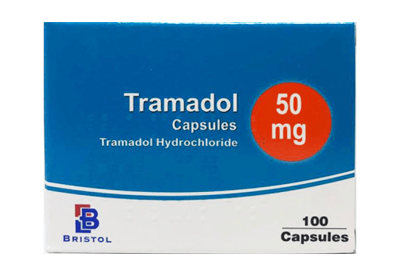


Tramadol is an opioid painkiller that’s only available on prescription. It’s used to treat moderate to severe pain that’s not controlled by other painkillers. It changes how the brain and nervous system respond to pain.
If you’re researching Tramadol 50mg and 100mg, you should be aware that the correct strength, formulation and duration of treatment should be determined by a qualified healthcare professional.
Important: Tramadol is a prescription-only controlled medicine in the UK. Take it only when it has been prescribed specifically for you and never exceed the prescribed dose.
What Is Tramadol?
Tramadol is an opioid analgesic. It acts on opioid receptors in the central nervous system and also acts on chemical messengers including serotonin and noradrenaline. These actions change the way pain signals are processed and felt.
Because tramadol affects the central nervous system, inappropriate or prolonged use can increase the risk of side effects, tolerance, dependence and withdrawal.
Tramadol 50mg and Tramadol 100mg
Tramadol 50mg and 100mg are strengths that patients may come across, but the number of milligrams is not the only factor to consider when taking this medicine.
Tramadol is available in different forms, including immediate-release and modified-release formulations. A Tramadol 100mg modified-release product may have different directions from a Tramadol 50mg immediate-release tablet or capsule.
Always follow the strength and formulation shown on your prescription. Do not increase from 50mg to 100mg or change between formulations unless advised by your prescriber.
What Is Tramadol Used For?
Tramadol may be prescribed for moderate to severe pain. Depending on the circumstances, this can include pain following an operation or injury and certain longer-lasting painful conditions.
A healthcare professional should consider the severity and cause of the pain, previous treatments, other medicines and relevant medical conditions before prescribing tramadol.
For longer-term treatment, regular reviews may be needed to determine whether tramadol continues to provide sufficient benefit.
How Does Tramadol Work?
Tramadol works primarily on opioid receptors in the brain and spinal cord. These receptors are important for the nervous system response to pain.
It also affects serotonin and noradrenaline. This mechanism contributes to its pain-relieving effects but can also lead to interactions with medicines that affect the same chemical messengers.
Tramadol reduces the perception of pain. It does not necessarily treat the underlying condition responsible for the symptoms.
How Should Tramadol Be Taken?
Always take tramadol exactly as prescribed. Instructions can differ depending on whether you have been given an immediate-release or modified-release formulation.
Modified-release tablets and capsules release tramadol gradually and must be taken according to the instructions supplied with the particular product.
Never take an additional Tramadol 50mg or Tramadol 100mg dose because your pain remains troublesome. If your medicine is not providing enough relief, do not change the dose yourself; speak to your doctor or pharmacist.
How Long Is Tramadol Used For?
Treatment duration depends on the reason tramadol has been prescribed and the patient’s individual circumstances.
Where possible, opioids should be used at an appropriate effective dose for the required period. Prolonged treatment can increase the risk of tolerance and dependence.
If you have been taking tramadol regularly, do not suddenly stop treatment without obtaining medical advice. A healthcare professional may recommend tapering the dose gradually.
Tramadol Side Effects
Tramadol can cause side effects, although not everyone experiences them. Possible effects include:
- Nausea or vomiting
- Dizziness
- Sleepiness
- Headache
- Constipation
- Dry mouth
- Sweating
- Tiredness
More serious reactions are possible. Opioid medicines can cause excessive sedation and potentially dangerous breathing problems, particularly when too much is taken or when they are combined with other substances that depress the central nervous system.
Seek urgent medical assistance if someone taking tramadol develops serious breathing difficulties, loses consciousness or becomes extremely difficult to wake.
Tramadol and Drowsiness
Tramadol may cause sleepiness, dizziness and reduced concentration. Do not drive, cycle or operate machinery if you feel impaired after taking it.
These effects can be more noticeable when treatment begins, when the prescribed dose changes or when tramadol is combined with other medicines that cause sedation.
Always follow the driving and safety advice provided by your healthcare professional and the patient information leaflet.
Tramadol and Alcohol
Alcohol can increase the sedative effects of tramadol. Combining an opioid with alcohol or other substances that cause drowsiness can increase impairment and may contribute to dangerous breathing problems.
Patients should follow the specific advice provided by their doctor or pharmacist regarding alcohol. Never combine tramadol with alcohol or sedatives in an attempt to increase its effects.
Medicines That May Interact With Tramadol
Tramadol can interact with other medicines, so your prescriber should know about all prescription medicines, over-the-counter treatments and supplements you use.
Particular caution may be required with other opioids, sleeping medicines, medicines for anxiety and other treatments that cause sedation.
Because tramadol influences serotonin, it can also interact with certain antidepressants and other serotonergic medicines. Some combinations may increase the risk of serotonin syndrome.
Tramadol can also increase the risk of seizures in susceptible individuals or when taken with certain medicines.
Who May Not Be Suitable for Tramadol?
Tramadol is not appropriate for everyone. A healthcare professional should assess relevant medical history before prescribing it.
People with breathing problems, epilepsy or a history of seizures, significant liver or kidney problems, or a history of alcohol, opioid or medicine dependence may require extra caution.
Pregnancy and breastfeeding should also be discussed with a healthcare professional before tramadol is taken.
Tramadol Withdrawal and Dependence
Tramadol can lead to physical dependence, especially if used regularly over a long period of time. Tolerance can also develop, so the body’s response to the medication may change over time.
These risks apply to Tramadol 50mg, Tramadol 100mg and other prescribed strengths.
Stopping tramadol suddenly following regular use can cause withdrawal symptoms, including anxiety, agitation, sweating, sleeping difficulties and gastrointestinal symptoms.
If you have been taking tramadol for a long period of time, your healthcare professional may tell you to gradually reduce your dose instead of stopping suddenly.
Obtaining Tramadol in the UK
Tramadol is a prescription-only controlled medicine in the UK. It should therefore only be supplied following an appropriate prescribing and dispensing process.
Patients should be cautious about websites, social-media accounts and other sellers offering tramadol without appropriate clinical assessment. Medicines obtained from unauthorised sources could be counterfeit, incorrectly labelled or contain unexpected ingredients.
An appropriate prescription process allows a healthcare professional to determine whether tramadol is suitable and identify potential interactions or contraindications.
Can You Get Tramadol Without a Prescription?
Tramadol cannot legally be treated as an ordinary over-the-counter painkiller in the UK. It requires a prescription.
Websites advertising Tramadol 50mg or Tramadol 100mg without a prescription or encouraging patients to bypass medical assessment should be treated with caution.
A clinical assessment is particularly important with opioid medicines because individual risk factors, other medicines and the cause of the pain need to be considered.
Obtaining Tramadol Online Safely
Patients using an online pharmacy should verify that they are dealing with a legitimate and appropriately registered service.
Pharmacies operating in Great Britain can be checked through the General Pharmaceutical Council (GPhC). Different regulatory arrangements apply in Northern Ireland.
Avoid obtaining tramadol through social media sellers, messaging applications or websites whose credentials cannot be verified. Low prices or quick delivery should not take priority over appropriate prescribing and dispensing safeguards.
Storage and Disposal
Keep tramadol in its original packaging and follow the storage instructions supplied with your medicine.
Store it securely and out of the sight and reach of children. Because tramadol is an opioid, it should also be kept somewhere other people cannot accidentally or deliberately access it.
Never share your tramadol with another person. Unused or expired tablets should normally be returned to a pharmacy for safe disposal.
Important Safety Information
Tramadol should only be taken when prescribed specifically for you by an appropriately qualified healthcare professional. Never exceed your prescribed dose, share your medicine or change between Tramadol 50mg and 100mg without professional advice.
Taking excessive tramadol or combining it with alcohol, sedating medicines or other central nervous system depressants can cause serious harm. Seek urgent medical attention for severe breathing difficulties, seizures, loss of consciousness or extreme difficulty waking.
This information is for general educational purposes and does not replace advice from a doctor, pharmacist or other qualified healthcare professional. Always follow your prescription instructions and read the patient information leaflet supplied with your medicine.